
From Two to Tribe
From Two to Tribe
Weddings as Primal Rituals of Trust and Belonging
Words by Cate Stillman
Marriage is more than a love story between two people; it’s a nervous‑system agreement, a lineage decision, and a quiet revolution in how the next generation will experience trust. While working with thousands of people in my communities and writing the book, Uninflamed, what became obvious to me is this: When a couple learns how to consciously pair‑bond, make clear oaths publicly, and build trust in a wider circle of family, their marriage becomes a primal habit that upgrades the whole community.
Pair bonding as a primal habit
I define primal habits as adversity practices that drive our evolution. These practices are hard in the short term but create a future you want to experience. Some examples are exercise, fasting, prioritizing sleep, consuming diverse phytonutrients, going outdoors in sunlight, and seeking out social interactions with a tribe of people who have your back. Pair bonding is one of those habits; the brain wires a specific person to feelings of safety, pleasure, and commitment through oxytocin, dopamine, and old mammalian caregiving circuits.
Anthropologists and evolutionary biologists show that human pair bonds evolved not just for romance, but because security in an unknown future is regulated by trust and integrity. (Not to mention, infants need years of co‑parenting and protection.) When a couple chooses to be “each other’s person” in a clear, conscious way, they’re making it easier to co-regulate stress. Nervous system co-regulation is the process by which one person’s nervous system influences and helps regulate the nervous system of another person through a safe, attuned, relational connection. This strategy is the best bet for your lineages to continue.
COMMUNE: Your marriage as a mini‑tribe
In the chapters of my book, I ask you to notice: Who are your people? How can you co-design the experiences you have together to access collaborative intelligence? The modern wedding often focuses on décor and photos. Yet, an ancient strategy underlies the flowers. Two kin groups and friendship networks publicly commit to knit together in ceremony and merge into one extended organism.
Marriage is the one major rite of passage you consciously step into, design with your partner, and co‑create with your community. It isn’t just a biological act or a legal upgrade. Your marriage is a cultural evolution point where two nervous systems, two lineages, and multiple households decide how they want to shape the future together.
Practical wedding‑day COMMUNE moves
- Design one moment where you and your guests all do something together — a group blessing, a circle, a shared song. A synchronized ritual shows “We are one tribe now.” Rituals bond cooperation into trust.
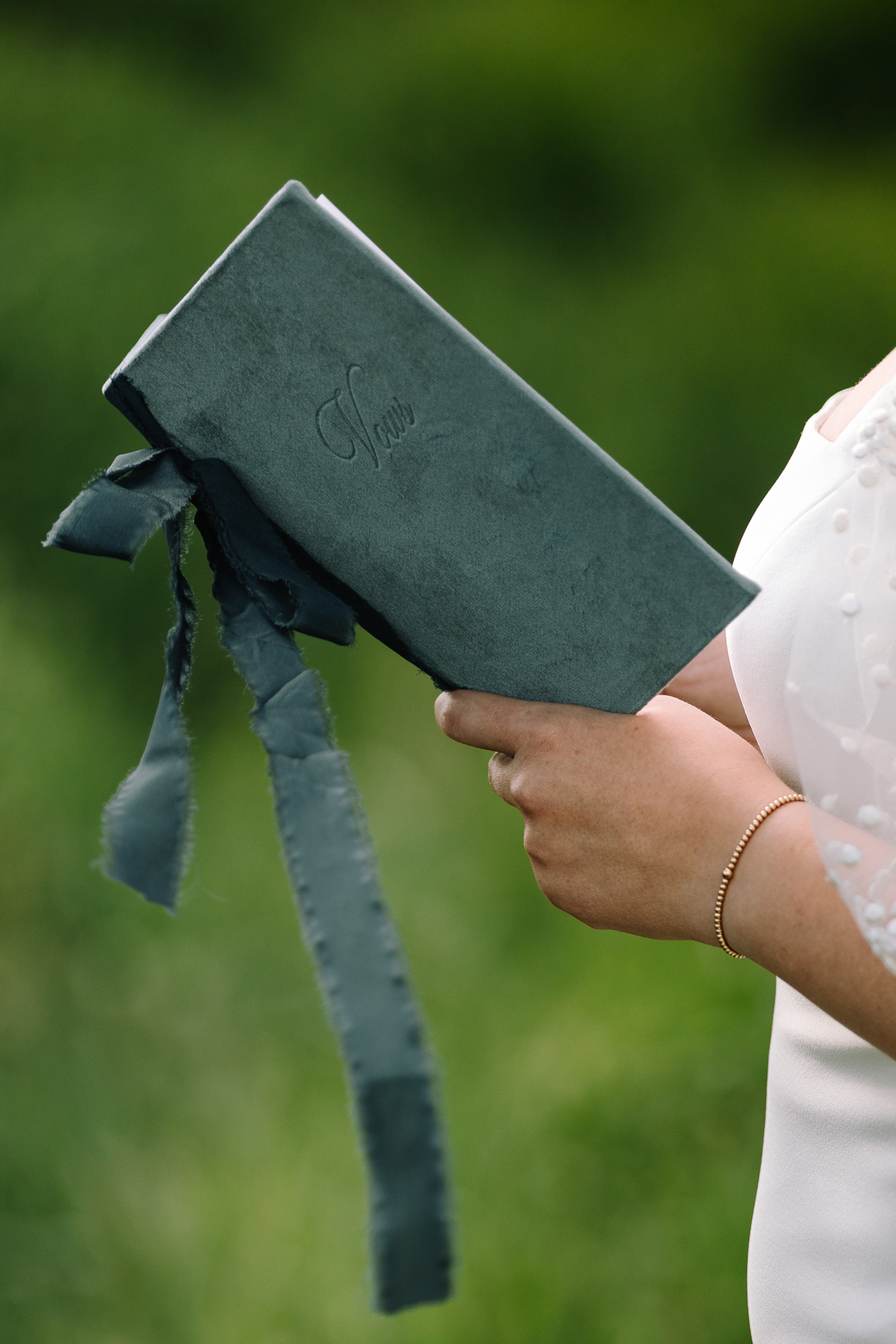
- Name your “village” in your vows or speeches. Name your elders, siblings, and friends. Articulate how you want to show up for one another over the next decades, not just today.
PURPOSE: What your bond is for
When a couple doesn’t clarify shared purpose, the marriage defaults to managing logistics — mortgages, schedules, vacation flights. Purpose is the orienting principle that keeps your nervous systems pointed in the same direction when life gets busy or monotonous.
From an evolutionary lens, the “purpose” of pair bonding was stark: protect offspring, stabilize alliances, and share labor. Today, you get to add layers — creative projects, service, land stewardship, cultural healing — but the body still relaxes when your bond feels mission‑driven.
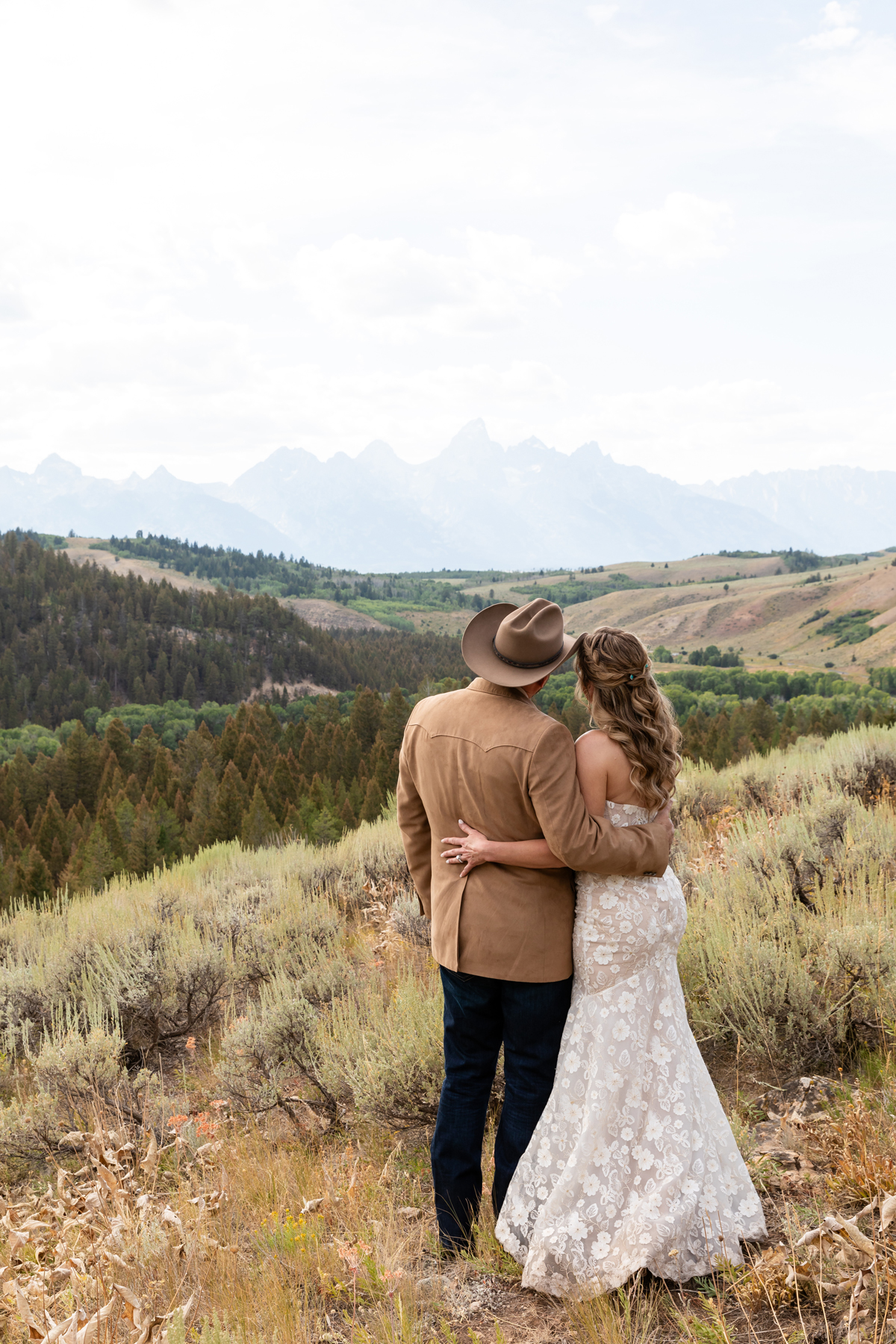
PURPOSE questions to ask each other before (or after) the wedding
- Who are we becoming together — five, 20, 40 years from now?
- How do we want people to feel in our home and in our presence?
- What kind of elders do we want to be for the next generation?
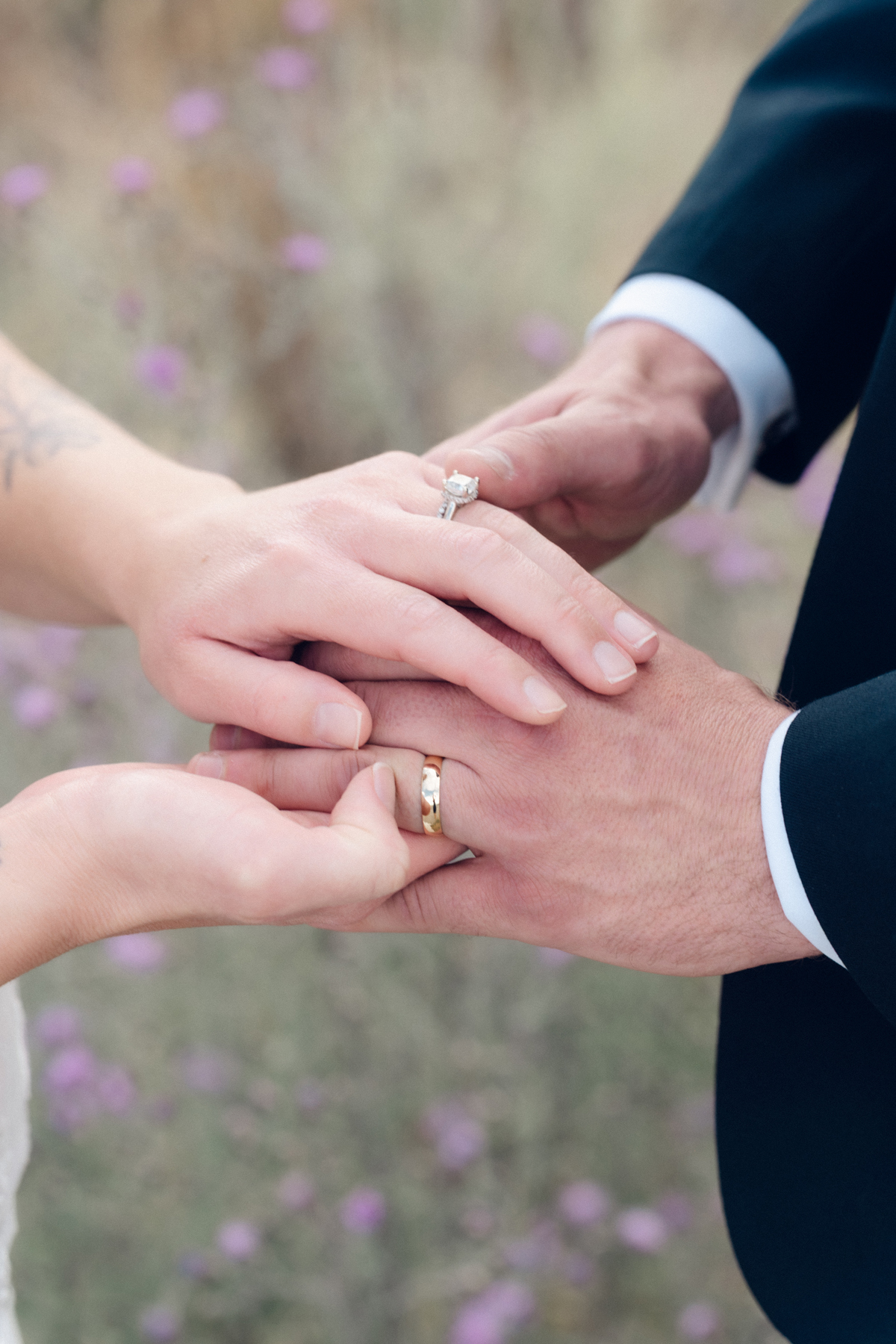
Write down your answers. Fold them into your vows — and into a yearly anniversary ritual — to turn your marriage into an evolving experiment and experience, not a static contract.
FOCUS: Clean oaths and everyday trust
Oaths and vows are how humans have always made commitments formal. Every time you keep a promise to your partner, you strengthen your own integrity and your shared trust bank; every time you break one and don’t repair the damage, you create micro‑cracks in both.
FOCUS practices for couples
- Make fewer, clearer vows. Instead of over‑promising perfection forever at the altar, name a small set of sincere commitments.
- Turn your vows into your family’s value structure. Solve problems with your vows. For example, “We protect each other’s health” may become a discussion point to solve problems around diet, habits, or even addiction, in the future.
- Repair fast when you miss. In my communities, we use “Own it, feel it, clear it” as a simple cycle: Acknowledge the break, feel its impact in your body, and co‑create how to restore trust. That rhythm keeps resentments from becoming chronic disease in the relationship.
WISDOM: Inheritance, myth, and future generations
Pair bonding and oath‑making are essential chapters of your longer story — and wisdom is seeing yourself in it, past, present, and future. Studies on intergenerational attachment show that how you handle conflict, care, and repair literally shapes how your children, nieces, and mentees will attach and love.
In ancient Ayurvedic medicine, this effect is understood as the nervous system regulating all cells and organ systems of the body. We now call this force co-regulation. Your life experience is a mirror of how well your nervous system is networked through trusted bonds.
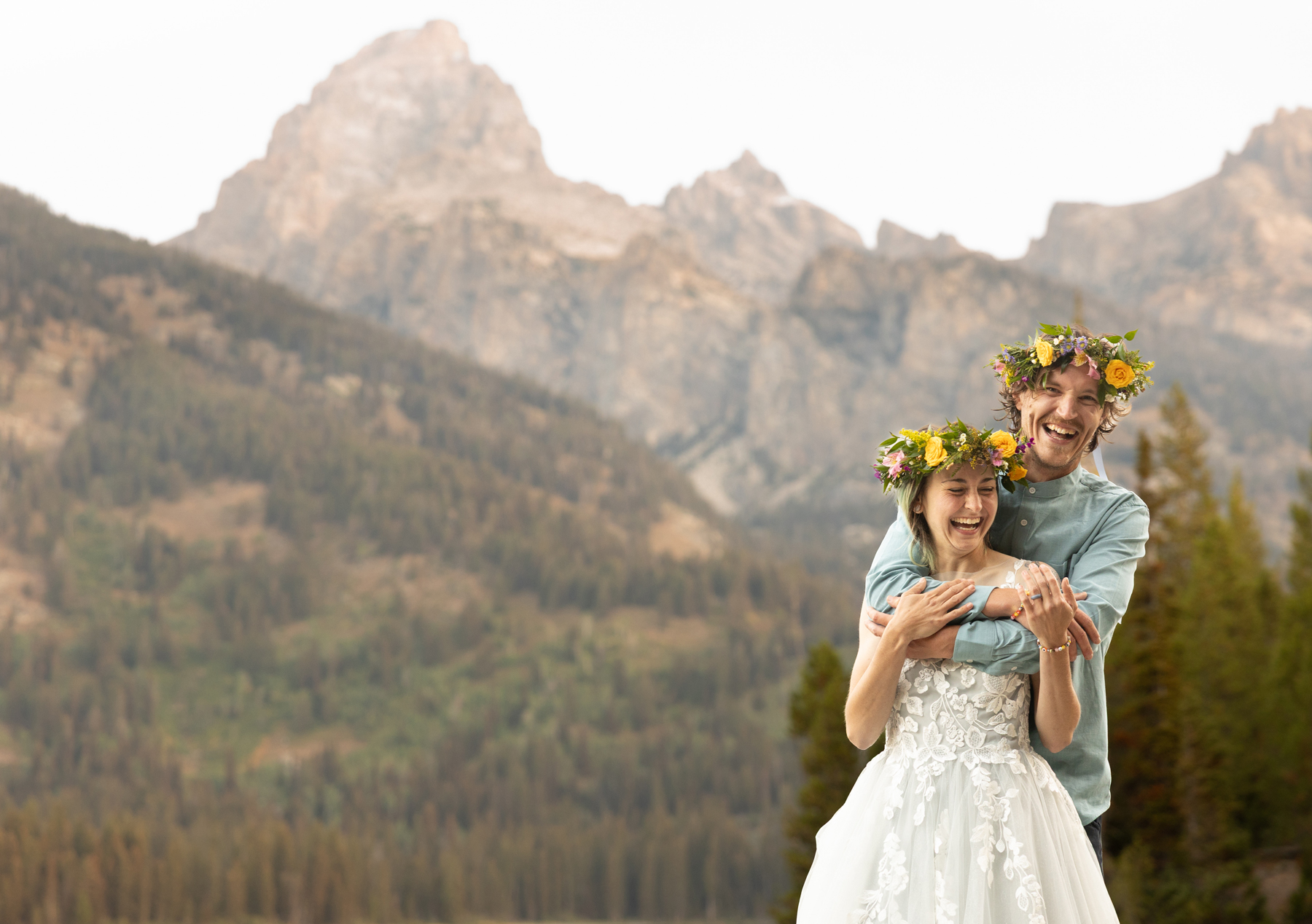
WISDOM questions for you and your partner
- What did we inherit about love, conflict, and promises from our families — and what do we want to keep or disrupt?
- Which myth or ancestral story about vows, loyalty, or hospitality really lands for us, and how can we embody it in a modern, non‑rigid way?
- If a grandchild watched our marriage for 40 years, what would they learn about trust?
Bringing it all together on your wedding day …
Your wedding is not a performance; it’s the communal ritual of a life you will practice together every day. The pair bond is your core cell. Your vows are your focusing device. Your gathering of families is your prototype village. And your willingness to keep learning — COMMUNE, PURPOSE, FOCUS, WISDOM — turns this one day into an evolutionary step for everyone in your orbit.
Cate Stillman (yogahealer.com) is an evolutionary thought leader, curriculum developer, and author. Her book Uninflamed, as well as others, can be found on Amazon.